



"אַל תַּחְשְׁבוּ שֶׁבָּאתִי לְבַטֵּל אֶת הַתּוֹרָה אוֹ אֶת הַנְּבִיאִים; לֹא בָּאתִי לְבַטֵּל כִּי אִם לְקַיֵּם. אָמֵן. אוֹמֵר אֲנִי לָכֶם, עַד אֲשֶׁר יַעַבְרוּ הַשָּׁמַיִם וְהָאָרֶץ אַף יוֹד אַחַת אוֹ תָּג אֶחָד לֹא יַעַבְרוּ מִן הַתּוֹרָה בְּטֶרֶם יִתְקַיֵּם הַכֹּל. לָכֵן כָּל הַמֵּפֵר אַחַת מִן הַמִּצְווֹת הַקְּטַנּוֹת הָאֵלֶּה וּמְלַמֵּד כָּךְ אֶת הַבְּרִיּוֹת, קָטוֹן יִקָּרֵא בְּמַלְכוּת הַשָּׁמַיִם. אֲבָל כָּל הָעוֹשֶׂה וּמְלַמֵּד, הוּא גָּדוֹל יִקָּרֵא בְּמַלְכוּת הַשָּׁמַיִם." (מתי ה 17–19)
מאמרים הבוחנים כיצד התורה והבשורה מאירות זו את זו בתוך אחדות ההתגלות האלוהית. מדור זה דן גם בייעודם של תלמידי ישוע היהודים — יהודים משיחיים, עבריים‑קתולים ויהודים קתולים — וביחסם אל המצוות בתוך חיי הכנסייה הקתולית.
 There are no disagreements between Judaism and Catholicism. Where their teachings diverge, it is because they apply to two different, well, let’s call them universes, two ways that human experience is unified (uni-verse, “turned into one”) in relation to G-d according to their respective covenants.
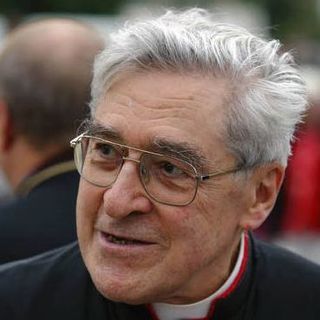 From Cardinal Jean-Marie Lustiger's Book 'The Promise':"The Church appears in Jerusalem, after Pentecost, as an "assembly" kahal in Hebrew, ecclesia in Greek. it is unthinkable that she would claim to replace Israel. She is not another Israel, but the very, fulfillment, in Israel, of God's plan..."
 The commandments of the Law of Moses require both interior and exterior acts. There are commandments which pertain to the heart (love of G-d, to love of neighbor, fear of G-d etc.) and commandments which pertain to the body (resting on the Sabbath, eating kosher food, etc.). Virtually all the commandments of Jesus relate to interior acts. True, he requires acts of charity. He requires us to feed the hungry, clothe the naked, visit the sick etc. but that is because those acts bear witness to love. It is the love that he requires, and it has been said by Catholic saints that, without love, even such acts are meaningless.
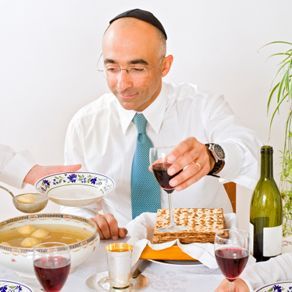 The sanctification of the body is important because, as St. Paul points out in Romans 7, the law of sin, i.e., the impulse to sin, resides in the body. The sanctification of the body through the repeated acts of obedience to the ceremonial law is directed to uprooting that impulse to sin.
 האם יהודי מאמין בישוע שנטבל הוא עדיין יהודי? האם הוא עדיין מחויב לשמור את התורה? האם לא אמר פולוס כי איננו מחויב לעשות כן? מטרת מאמר זה היא לענות על שאלות אלה על ידי בחינת כמה מהקטעים הרלוונטים באיגרותיו של פולוס. נראה שקריאה זהירה באיגרותיו מובילה אותנו למסקנה כי הסיבה היחידה שמוצא פולוס לפטירת הגויים משמירת התורה גרמה דווקא להעמקת משמעותה ולהגדלת חשיבות שמירתה על ידי היהודי המאמין בישוע.
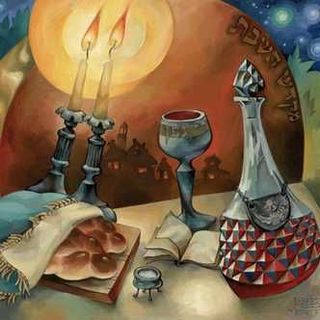 Are the laws of kashrut (the Jewish dietary laws) just empty, outdated rules, or do they serve a purpose in glorifying God for the Catholic Jew?
 מאמר זה בוחן כמה טיעונים המבוססים על כתבי הקודש, התומכים כביכול בפירוש המסורתי שעל פיו פטורים משמירת התורה לא רק הגויים – אלא גם יהודים מאמינים בישוע שנטבלו. נבחן אירועים מסוימים שעל פי הפירוש המקובל היה בהם כדי להראות שישוע ביטל את שמירת התורה: ישוע וחוקי הכשרות, ישוע והשבת ומראה בעלי החיים שנגלה לפטרוס (מעשי השליחים י).
 "Hebrew Catholic Vocation" by Aharon Yosef
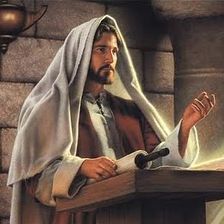 האם יהודי שנטבל מחויב לשמור את מצוות התורה? בחלקה הראשון של סדרה זו אנו רואים כיצד ישוע לא ביטל את תורת משה שניתנה לעם היהודי. כמן כן אנו רואים כיצד הקהילה היהודית-נוצרית הראשונה המשיכה לחיות על פי התורה.
